Piping That Meets Current Gas Demands
Gas Line Services in Kalamazoo for repair, modification, and professional evaluation during property improvements.
Gas piping runs concealed behind walls and beneath floors throughout many established Kalamazoo-area homes, delivering fuel to furnaces, water heaters, ranges, and dryers without drawing attention until a renovation project, appliance upgrade, or suspected leak requires professional evaluation. Mr. Rooter Plumbing of Kalamazoo provides gas line service for residential properties with gas-connected systems, addressing repairs when existing piping develops problems and modifications when property improvements or appliance changes alter fuel delivery requirements. Whether you're managing an older home where black iron piping has been in place for decades or planning updates that involve relocating gas connections, professional assessment determines what work is necessary to maintain safe, code-compliant fuel delivery.
Gas line work involves evaluating the condition and capacity of existing piping, identifying leaks using detection methods that pinpoint where joints or pipe sections have compromised, and performing repairs or extensions using appropriate materials and techniques. Modifications often become necessary during kitchen remodels when ranges move to new locations, or when converting to gas appliances in homes originally plumbed for electric-only equipment.
Discuss your residential gas line needs to determine what evaluation or modification work your property improvement project requires.
What Gas Piping Service Involves
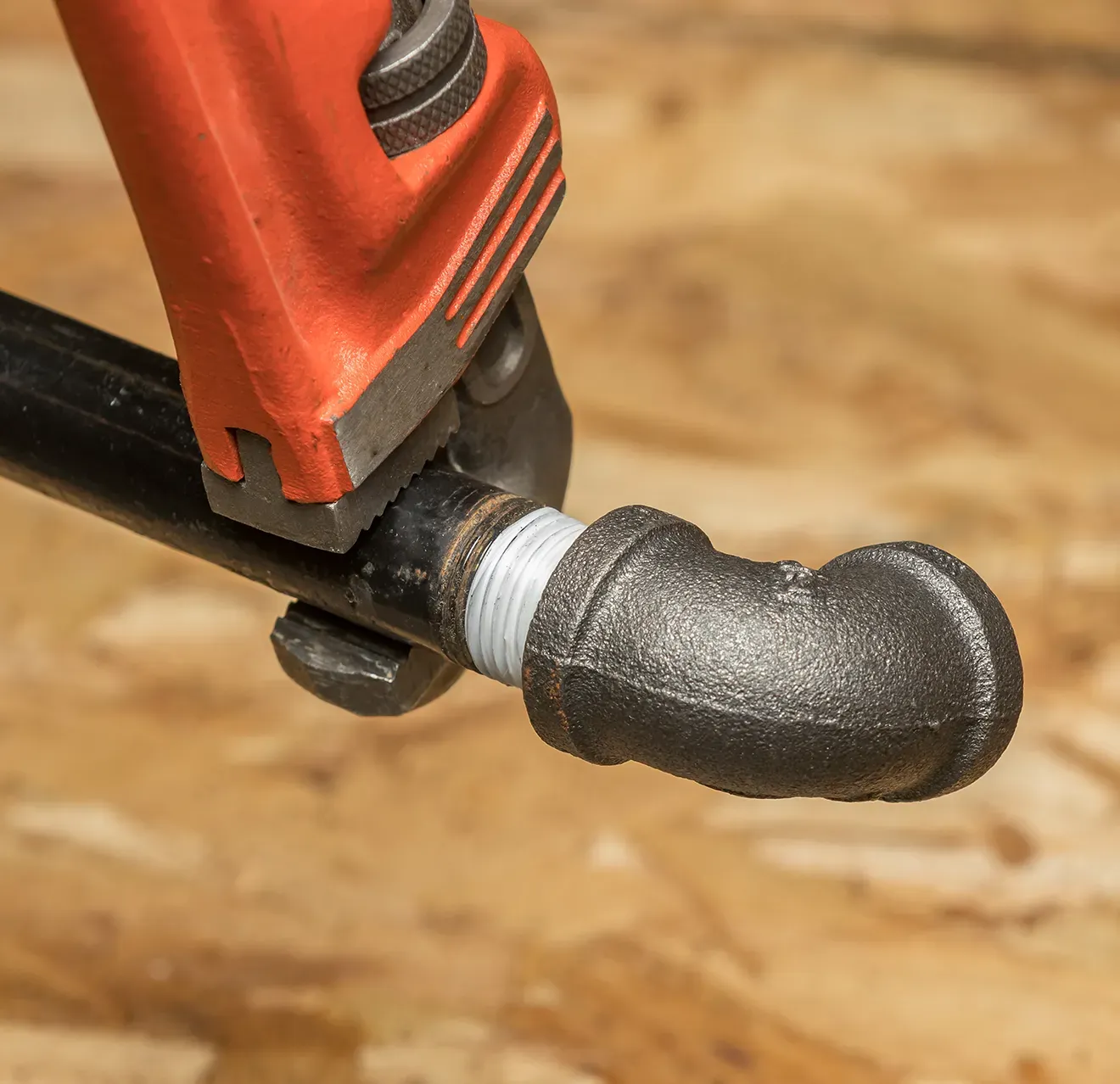
Service focuses on ensuring gas piping delivers fuel safely without leaks and at pressures appropriate for connected appliances—testing joints with approved methods, replacing corroded or damaged sections, and running new lines when layouts change or appliances are added. Work follows specific requirements for materials, joint compounds, support spacing, and pressure testing that differ from water piping standards.
After gas line service is completed, piping connections no longer leak at joints or threaded fittings, appliances receive adequate fuel supply for normal operation, and any modifications integrate with existing piping in ways that maintain proper sizing and pressure throughout the system. Testing confirms that new or repaired sections hold pressure without loss, and appliances ignite and operate as designed when fuel delivery is restored.
Gas line service addresses the piping network between the meter and appliance connections but typically doesn't include appliance installation, venting work, meter relocation, or emergency gas leak response unless those services are specifically confirmed available. Modification work may require coordination with permitting and inspection processes, and some projects involve meter upgrades or service line changes managed by the utility provider rather than the plumbing contractor.
Common Questions About This Service
Gas piping work raises specific concerns about safety and code compliance, and homeowners planning renovations or addressing problems want clarity about what's involved. These questions address typical considerations for residential gas line service.
What are signs that gas piping needs professional attention?
A persistent sulfur smell near gas appliances or piping, hissing sounds at connections, dead vegetation along buried gas lines outside, or appliances that won't stay lit all indicate potential leaks or delivery problems requiring immediate evaluation.
How do you determine whether existing gas piping can support additional appliances?
Calculating the total BTU demand of all connected appliances and comparing that to the capacity of existing pipe sizes determines whether current piping delivers adequate volume. Adding high-demand appliances often requires running larger diameter supply lines from the meter.
Why does gas line work take longer during renovation projects in Kalamazoo?
Established homes often have piping concealed in finished walls or tight crawlspaces, requiring careful access to avoid damaging surrounding structures. Routing new lines through existing construction involves more planning and labor than installing piping in open framing.
What materials are used for residential gas piping?
Black iron pipe remains the standard for most indoor installations, with threaded joints and specific joint compounds rated for gas service. Some jurisdictions allow corrugated stainless steel tubing for certain applications, though material selection depends on local requirements and specific installation conditions.
How is gas piping tested after installation or repair?
Completed work undergoes pressure testing using air or inert gas at levels above normal operating pressure, with gauges monitored over time to confirm no pressure drop occurs. This verifies that all joints and pipe sections remain leak-free under load.
Mr. Rooter Plumbing of Kalamazoo provides gas line service for residential properties throughout the area, addressing repair needs and modifications required during property improvements. Contact our team to arrange an evaluation of your home's gas piping system and discuss what work your project requires.